







-
Best Seller
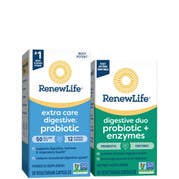
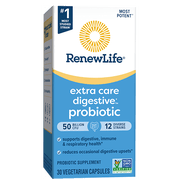 Extra Care Digestive Probiotic Capsules 50 Billion CFU50 Billion CFU Probiotic for Men & WomenFrom $42.99
 -
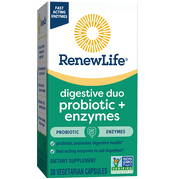 Digestive Duo Probiotic + Multi Enzyme Capsules2-in-1 Digestive Support - Probiotics & Enzymes$28.29
 -
Best Seller
-
Best Seller
-
Best Seller
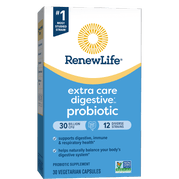
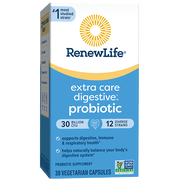 Extra Care Digestive - Probiotic Capsules 30 Billion CFU30 Billion CFU Probiotic for Men & Women$22.99
 -
-
Best Seller
-
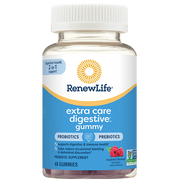
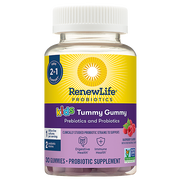
 Women’s Care Gummy 3-in-1 Prebiotics, Probiotics & CranberryDelicious Urinary Tract & Digestive Support*$19.99
 -
-
-
Best Seller
-
Best Seller
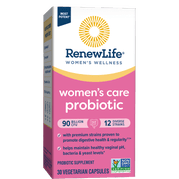 Women’s Care Probiotic Capsules 90 Billion CFUOur Bestselling High-CFU Women’s ProbioticFrom $49.99
 -
-
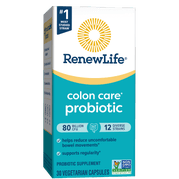
-
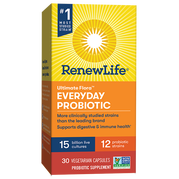
-
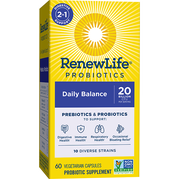
-
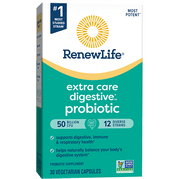
-
Best Seller
-
Best Seller
-
-
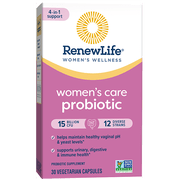 Women’s Care Go-Pack Probiotic Capsules 15 Billion CFUWomen’s Health Support in a Convenient Go-Pack*From $22.99
 -
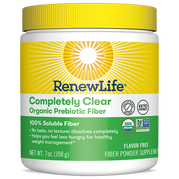
-
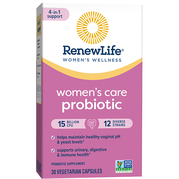
-
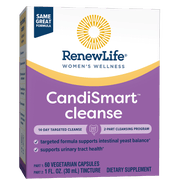
-
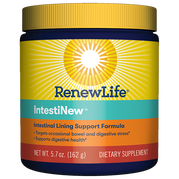
-
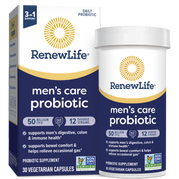 Men’s Care Probiotic Capsules 50 Billion CFU50 Billion CFU Probiotic for MenFrom $44.99Out of Stock
 -
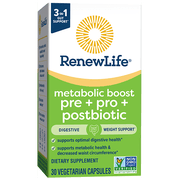 Metabolic Boost Pre + Pro + Postbiotic Capsules3-in-1 Digestive Support with Metabolic Benefits*$28.29Out of Stock
 -
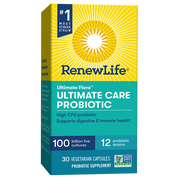
-
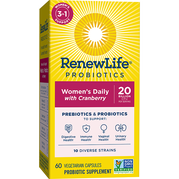 Women’s Daily 3-in-1 Prebiotics & ProbioticsPrebiotics & Probiotics with Cranberry$40.99Out of Stock


FAQs
Probiotics are live microorganisms found naturally in your body, in certain foods, and as supplements and can positively support your health. There are more than 500 different kinds of probiotic species, and the different strains perform specific functions in the body. Some of the most common strains of probiotics include Lactobacillus, Bifidobacterium, and Saccharomyces. The trillions of microorganisms already in your body live mostly in your gastrointestinal system, also called the gut microbiome. Your microbiome is unique to you, and the health of it depends on the foods you eat, supplements, medications, and stress levels. Probiotic supplements help add beneficial bacteria to your microbiome.
A healthy balance of good bacteria in the microbiome is essential to a healthy gut. Probiotic supplements may be one way to maintain a good balance and help support gut health.
Probiotic supplements often contain mixed cultures rather than single strains. Therefore, choosing strains that may help support digestive health or a specific area is essential. Renew Life offers a variety of probiotic supplements that can keep your microbiome in balance.
Yes, gummies offer another way to consume probiotics. Probiotics are measured in colony forming units (CFU), which indicates the number of live microorganisms available. This is important because probiotics must be consumed alive to provide health benefits. Probiotic gummies are as effective as other supplement forms, such as capsules or powders.
Probiotic supplements have a history of being considered safe for healthy people. It’s important to follow the recommended dosage on the supplement label. Look for supplements that have been formulated based on clinically researched strains and have been safely manufactured.
When considering a new probiotic supplement, it’s recommended to consult your healthcare provider, especially if you have an existing health condition.
Probiotic powders offer another way to consume probiotics. Since probiotic cells can die throughout the manufacturing and packaging process, ensure your probiotic powder has at least 1 billion live cultures on its label. Bacteria are killed if the microorganisms are not appropriately protected. And they won't have a chance to work in your microbiome.
Depending on the cause of bloating, probiotics may be helpful with occasional bloating. The best approach combines probiotic supplements with a healthy diet and positive lifestyle choices.
Probiotics can cause gas because they affect changes in your gut microbiota. Most people do not experience side effects like gas and bloating. But if they do, the side effects usually only last a few weeks, and there are ways to help decrease side effects. If you have food sensitivities or allergies, ensure your probiotic is allergen-free. Additionally, you may take your probiotic at a different time of day and with food. If your symptoms continue or are severe, talk to your healthcare provider before continuing to take probiotic supplements.
Probiotics are living strains of bacteria that can help support colon health. A healthy colon contains billions of beneficial bacteria that aid in digestion, immune functions, and hormone production. But age, illness, and lifestyle choices can destroy the good bacteria in the colon. Consuming probiotics can provide the gut microbiome with new colonies of good bacteria that positively support the colon. Both Lactobacilli and Bifidobacteria promote the health of the colon.
Probiotics are beneficial bacteria found in your body. Current research suggests that some probiotic strains can provide health benefits.
CFU stands for Colony Forming Units, the number of live and active microorganisms contained in each serving of probiotics. They're usually measured per gram and counted by billions. Checking the number of CFUs when purchasing a probiotic supplement is one way to ensure you're buying a quality supplement.
You will see a wide range of CFUs listed on probiotic supplements. The CFU count in probiotics can range between 1 and 100 billion CFUs per serving. The number of CFU a person needs depends on the probiotic's purpose and if there are certain benefits you are looking for.
Probiotics are good bacteria that can help maintain the delicate balance inside your digestive system. These live microorganisms may also help balance good bacteria, especially when you've taken antibiotics or had other illnesses. Probiotic supplements may help support a healthy lifestyle, but it's important to remember they are not a quick fix but can be part of a healthy lifestyle.
Research is still ongoing when it comes to probiotics and immune health. However, evidence suggests that probiotics may help support a healthy immune system. The most common probiotic genii, species, and strains associated with immune health include Acidophilus, Bifidobacterium, B. lactis BI-04, B. lactis DSM 15954,L. bulgaricus, and S. thermophilus. The strains, the amount you take, and the quality of the supplement will vary depending on your need.
For most healthy individuals, taking fiber and probiotics together can support your gut health. Fiber helps facilitate a healthy digestive process, while probiotics support microorganisms in your gut. Many individuals do not meet the recommended dietary fiber intake, so adding a supplement can aid in digestive health. If you're taking these two supplements, it's best to take them at different times of the day to reduce any potential symptoms, like bloating or abdominal pain.
Consistency is vital, so we encourage taking the probiotic supplement at the same time each day, with or without food.

