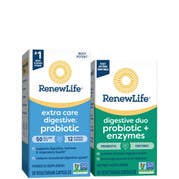


Halting Heartburn
How to Ease a Familiar Pain Naturally
Heartburn Hurts
It can make your chest feel like it’s on fire as your stomach heaves and churns.
Even the word heartburn conjures up visions of burning pain inside a smoldering
torso. But contrary to its descriptive name, heartburn has little to do with the
heart, and everything to do with the digestive system. That sour, metallic taste
that appears in your mouth right after eating indicates indigestion produced by
stomach acid flowing in the wrong direction.
Because heartburn leaves you with the taste of gastric acid in your mouth, and even
a small amount of this digestive fluid in the esophagus can cause discomfort, it’s
a common misconception that heartburn is caused by too much stomach acid.
Antacids & Acid-lowering Drugs
Medical treatment relies on the use of acid-lowering drugs and antacids to neutralize
the problem. Treatments are generally designed for temporary symptomatic relief,
for although the feeling of heartburn is not present when taking these drugs, stomach
contents still wash into the esophagus and can cause problems, even if the individual
cannot feel it.
Despite the popularity of antacids and other over-the-counter aids designed to limit
stomach acid, experts believe that the majority of digestive problems linked to
heartburn actually stem from too little of one type of acid in the stomach: hydrochloric
acid. As a result, many suggest taking betaine hydrochloric acid supplements to
help prevent heartburn.
Factors that may make you more prone to heartburn:
Being overweight
When extra body weight presses on the diaphragm and stomach, it can squeeze the
lower esophageal sphincter (LES), creating an opening that permits stomach acid
to rise up into the esophagus. Eating large quantities of food or high-fat foods
can also exert pressure, pushing stomach acid back up through the sphincter.
Hiatal hernia
A hiatal hernia occurs when a portion of the stomach protrudes into the chest cavity
through the diaphragm. This can compromise and weaken the LES muscle, allowing stomach
acid to back up into the esophagus.
Pregnancy
The added weight of pregnancy exerts increased pressure on the stomach and also
results in higher levels of progesterone. The hormonal changes of pregnancy may
keep the LES from contracting sufficiently, allowing stomach acid to back up into
the esophagus.
Asthma
Three out of every four people with asthma suffer persistent heartburn. Unfortunately,
not only can an asthma attack bring on heartburn, but heartburn problems may exacerbate
asthmatic breathing problems. In addition, asthma medications may loosen the LES
and allow stomach acid to back up.
Diabetes
Diabetes can prolong the time it takes the stomach to empty, creating a condition
called gastroparesis. When the stomach stays full for a long time, it increases
the chances of heartburn.
Stomach ulcers
Ulcers can interfere with stomach emptying by hampering the function of the valve
between the stomach and small intestine. When the stomach can’t empty efficiently,
stomach acid accumulates and can back up into the esophagus.
Scleroderma
Conditions such as scleroderma that cause muscular swelling interfere with stomach
function.
Certain foods
Onions, spicy foods, fruit juices, alcoholic drinks, tea, coffee and colas may also
make you more prone to heartburn.
^ back to top
The above material is for consumer informational and educational purposes only,
under section 5 of DSHEA.
Disclaimer: Nothing in this website is intended as, or should be
construed as, medical advice. Consumers should consult with their own health care
practitioners for individual, medical recommendations. The information in this website
concerns dietary supplements, over-the-counter products that are not drugs. Our
dietary supplement products are not intended for use as a means to cure, treat,
prevent, diagnose, or mitigate any disease or other medical or abnormal condition.
|